My friend and mentor in jazz, George William (Bubba) Jay Knowles had very specific interests and opinions about this swing based improvisatory music. If I quote him directly, "There are two things I don't. They are singers and guitar players." (You better not try to talk to the bass player while playing a tune on a set. You might lose your job.) Miles Davis often said his father was an oral surgeon and he never wanted for anything, but his overt voice in the jazz aesthetic could be a metaphor for melancholy. Evidently Miles didn't equate this affliction with the Blues. American racism saw him clubbed over the head with a knight stick while standing in front of the club he was playing. They took him to jail, much like ICE is "detaining" people of color. The color of your skin was a barrier early Americans had trouble with. White is right. Not. I tried to argue with Jay a few times about his opinionated views, but it was pointless. It took me three more decades and watching Donald Trump be elected President twice to understand many people are irrational, and often they talk talk that doesn't coincide with their actions. I have learned it is important to let people talk and express themselves, even if it is offensive to you. I learned from my Uncle, Dr. Peter Reichle, that adults learn not by you telling them something, but from seeing something often enough they came to their own conclusion about it. It takes time and reinforcement to make adult change their opinions. That would explain the grandmaster blackmailer and now senile leader of the free world. Perhaps $5.00 a gallon gas prices will lead them to vote another way come the November midterm elections. I understood his point of view, my friend Bubba Knowles. He was a jazz purist and had most issues of Downbeat magazine. His CD collection was vast and covered several walls including music he had uploaded off the internet. He didn't like "singers," and he didn't like guitar players. I knew a little bit about jazz vocalists back in 1988 and not much about jazz guitarists. I recognized the names Wes Montgomery, Charlie Christian, Jim Hall, Joe Pass, and George Benson. That was about it. Guitar and the playing of the guitar is an approach unto its own in the world of jazz. Probably the most notable example of jazz guitar is with Oscar Peterson when he and Ray Brown didn't need a drummer. Jim Hall fulfilled the responsibility of a drummer in this trio assuming the rhythm role. It is similar to Freddie Green accompanying Count Basie all those years in his big band but never taking a solo. Today if I had to have an opinion about jazz guitar, I would say George Benson and Kenny Burrell appeal to me most. Although George is from a later era, he like Ray Charles and Aretha Franklin easily and aptly could synthesize past styles and appeal to modern sensibilities. In a more pure jazz vein, Kenny Burrell easily could shed those feathers and embark on the journey of Soul Jazz and rock with organists like Jimmy Smith and Jack McDuff. In 1988 Joe Pass was my favorite acoustic guitarist playing standards in a virtuosic style. If I had to chose a guitarist in the fusion genre, it would be Larry Carlton. Jay liked none of them, but he did like organists on the B-3. Even as I have learned how important the early vocalists were for many reasons, Jay would never change his opinion. Just as Dr. Ted McDaniel queried me on my General Exams in 1996, it has taken me this long to develop a comprehensive understanding of singing in the jazz vernacular. The most important concept of jazz singing is, until it began to develop, the only singing the world heard was European-based art music. John Phillip Sousa and Enrico Caruso were the best selling artists of the turn of the century. The concept of the American Popular Song and its realization were new artistic developments. That there could be information or expression "between the notes" was a new concept in the singing of art songs or in opera. The "Blues" was influential as was slavery, because a new kind of expression was actualized to convey these deeper feelings. The roots were in folk musics, and Scot Irish ballads were a large influence all ready expressing a blues of their own. It may be that financially fortunate members of societies may not have been exposed to, forced to indulge in, or recognize and understand the depth of feeling of people truly struggling for existence. Miles would say he never had the blues, but in reality he was a walking archetype of an individual consumed with heavy and often personally oppressive sentiments. He was playing a club in Harlem and standing on the sidewalk smoking a cigarette on a break when a policeman told him to move along. He explained he was headlining the club behind him, but the racist cop bludgeoned him on the head and took him to jail because he was black. If you don't get the Blues from that experience, what would it take? Being enslaved I would think. Necessarily black slave culture was surprisingly different than white culture, and over time slave owners began to understand and sometimes appreciate this more African-influenced approach to living. I would have to digress that George Williams Knowles' opinion about singers and guitar players defied logic, in that the human voice is the quintessential musical instrument. Perhaps he was underwhelmed by the singing aesthetic of late 1980's in popular culture America. Many trained and talented jazz musicians might be so judgemental as to deny Louis Armstrong the title "The Real King of Jazz." After careful study I love the Paul Whiteman Orchestra. I find nothing condescending or derogatory about this ensemble, its players or arrangements. On the contrary I find this music, like Fletcher Henderson and Benny Moten, extremely forward thinking, artistic, clever, and entertaining. That Early Jazz was arranged music, music written with a pen by an astute arranger, every note written out and intended for a particular intelligent audience, may be the irony or controversy. Our modern interpretation of Jazz is that it mainly is improvisatory music. Early Jazz was not, although Louis Armstrong created the mold that improvisation was cast from improvising choruses in Joe King Oliver's band as the patient and often bored second trumpeter. They played written out tunes, often in a march form with different strains, and Satchmo would paraphrase the strict metronomic melody with a personal interpretation that mimicked a theme and variations. He was interjecting his own soul into a somewhat institutional rendering of banjo music stemming from Vaudeville and the practice of minstrelsy. Jazz on most occasions was performed for people with money, therefore society, so a certain code of conduct was in place. It would be Jelly Roll Morton who developed Early Jazz in and for a more degenerate low income audience.
skip to main |
skip to sidebar
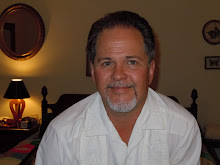

I invite all observant, inquisitive, positive people to post their views about the current state of affairs in the United States of America. This is a positive blog meant to enlighten the state of affairs in modern day America.
Blog Archive
- August (1)
- July (2)
- June (2)
- May (3)
- April (3)
- March (10)
- February (6)
- January (9)
- December (5)
- November (9)
- October (9)
- September (12)
- August (3)
- July (5)
- June (6)
- May (2)
- April (3)
- March (5)
- February (4)
- January (1)
- November (1)
- October (4)
- September (2)
- August (4)
- July (7)
- June (6)
- May (7)
- April (9)
- March (3)
- February (14)
- January (15)
- December (10)
- November (13)
- October (8)
- September (12)
- August (11)
- July (17)
- June (5)
- May (10)
- April (12)
- March (9)
- February (11)
- January (7)
- December (4)
- November (4)
- October (3)
- September (8)
- August (3)
- July (2)
- June (5)
- May (4)
- April (6)
- March (13)
- February (7)
- January (10)
- December (9)
- November (12)
- October (5)
- September (3)
- August (11)
- July (16)
- June (14)
- May (17)
- April (6)
- March (6)
- February (4)
- January (18)
- December (7)
- November (7)
- October (12)
- September (9)
- August (11)
- July (14)
- June (6)
- May (5)
- April (5)
- March (7)
- February (4)
- December (2)
- November (3)
- October (2)
- September (9)
- August (3)
- July (2)
- June (5)
- May (1)
- April (6)
- March (5)
- February (9)
- January (6)
- December (10)
- November (1)
- September (4)
- August (2)
- July (2)
- June (1)
- May (6)
- April (2)
- March (5)
- February (7)
- January (6)
- December (5)
- November (1)
- October (9)
- September (14)
- August (15)
- July (12)
- June (3)
- May (5)
- April (4)
- March (1)
- February (3)
- January (9)
- December (8)
- November (4)
- October (3)
- August (2)
- July (2)
- May (2)
- April (6)
- March (19)
- February (7)
- January (7)
- December (7)
- November (8)
- October (4)
- September (7)
- August (8)
- July (12)
- June (15)
- May (12)
- April (11)
- March (3)
- February (5)
- January (10)
- December (4)
- November (8)
- October (10)
- September (13)
- August (14)
- July (2)
- May (1)
- April (1)
- March (1)
- January (5)
- October (1)
- August (1)
- July (1)
- June (1)
- May (5)
- April (2)
- March (3)
- February (1)
- April (1)
- February (1)
- January (1)
- December (1)
- November (5)
- May (1)
- April (5)
- March (8)
- February (3)
- January (1)
- October (4)
- September (6)
- April (4)
- March (1)
- November (1)
- August (5)
- February (2)
- January (37)
- December (31)
- November (24)
- October (16)
- June (8)
- May (31)
- April (16)
- September (56)
- August (54)
- July (9)
- June (27)
- May (20)
- March (11)
- February (5)
- October (4)
- September (6)
- August (21)
- July (1)
- June (30)
- May (16)
- August (11)
- July (5)
Music Links
About Me
- Par3pio
- Dogtown, Ohio, United States
- Musician, Composer, Academician, Skateboarder, Writer, Poet
Counter