In my study of jazz music, which began officially in 1988 after I graduated from the University of South Carolina with a Master of Music degree in Jazz and Commercial Music, it has taken over three decades to get near a historical lineage of the evolution of Jazz. When I took my General Exams at Ohio State University, Dr. Ted McDaniel asked me a question so complex about the evolution of jazz it has taken me thirty years just to come to understand the question. Needless to say the art form of Jazz is complex and far reaching. One must live it to understand from the inside out. I learned the bulk of jazz history from my friend and geru Jay Knowles. To this day he is the most exceptional jazz scholar ever I have encountered, and that is because he loved the music. Two years with him as a guide, and I waded through the theoretical aspect of jazz music, meaning it was a study of jazz theory. I all ready new most of it, because I was a Graduate Teaching Associate. With the exception of the Lydian Chromatic Concept, a theoretical framework of jazz harmony based upon the Lydian Augmented scale or ascending melodic minor scale, I understood most concepts of jazz melody and harmony. Completing the coursework for a doctorate of musical arts in composition rounded out my knowledge of music composition. There were two things Ted McDaniel asked me in the doctoral exam. One, was the evolution of jazz just a journey culminating in the Avant Garde, and two, talk about the jazz vocalists. I knew the major figures in jazz, which were Ella Fitzgerald, Sarah Vaughn, Joe Williams and a few more. I never had done an exhaustive study of the vocalists like I had done for instrumental jazz with Jay Knowles. As it turns out a thorough study of Miles Davis from his first recording with Rubberlegs Williams to the end was a solid base for understanding most jazz. I did not pass these General Exams the first time I took them, and that was circa 1996. After completing all of this coursework I had to stop at OSU to have cornea transplants in both eyes. Only today do I feel I am getting close to the level of proficiency needed to be a jazz scholar. It takes time, so it is a lifelong pursuit. If I were teaching again, to make it interesting to students I would come up with unconventional references that would connect with a younger modern generation of students. Once I was good at this, being "hip." If we try to understand the music from within, it is rife with sorrow and disappointment. We need a more light-hearted way to approach the music, understand it, and appreciate it for what it has to offer the human race. It is substantial, but it is complicated. I could start with a humorous aside that I got transferred off my first Carnival cruise ship orchestra position because I tried to talk to the bass player during a tune. He was so surprised and offended, Kirwin Brown, that he stopped playing, put his bass down, yelled at me, and walked off the stage. The band followed him and refused to finish the set saying I was an offensive homophobe. I pleaded with them not do make this stand and finished the set solo piano playing bass with my left hand on a keyboard. I got the written warning. This is ship politics. In my discussion with the Musical Director, I pointed out that everyone in the band that walked off the stage and refused to play also merited a written warning for refusing to perform their scheduled duties. They were not happy about this, and for some reason it was a surprise. All of this for trying to communicate verbally while playing a jazz set. The drummer, Donald Brown, who often just stopped playing to let the piano player take the lead, said our jazz performance was sacred and no words should be required. They highly were offended that I tried to talk to them as we played. Can you imagine being on stage in the band, and not being able to talk to them? Perhaps what is the next tune? Shall we do a medley? Let's cut this tune short. Lets go to double time. Tempers and egos were high on the Carnival Destiny, but with less than 24 hours notice I was told I was being transferred to the Carnival Paradise where I had to quit smoking cold turkey. It wasn't much later that Mr. Brown blew his top again and was fired and put off the ship in Aruba to find his own way home. Jazz is a lifelong study, and it is good that it is that way. The Three B's, trumpeters that were put out of commission because of alcoholism. Buddy Bolden, Bix Beiderbecke, and Bunny Berigan. It is best not to be a BB in the Jazz Age. You don't want your name beginning with B for your first and last name, and you don't talk to the bass player while playing during a set. I made it a point in the last few years while looking after my mother to round out my incomplete knowledge of jazz vocalists, and I have with the help of Youtube. In trying to answer the question put to Facebook users by my former student and doctor of music Robert Gardener, this is upon what I arrived. 1. Louis Armstrong. 2. Lester Young. 3. Ella Fitzgerald. 4. Miles Davis. 5. Fats Waller. Many would be alarmed and surprised I didn't include John Coltrane, Duke Ellington, or Count Basie, all of which who were extremely influential to the art of Jazz. If you only could pick five artists who most shaped Jazz music over the course of a century, these are my picks. The reason is, much like a college teacher, they do many things. Louis Armstrong was the most substantial model of jazz being a virtuosic trumpet soloist and improviser, knowing and singing in his characteristic communicative tone almost the entirety of the Great American Songbook, and doing all of this without being able to read music. He also transected Early Jazz and Swing smoothing out the earlier ricky tick style and codifying swing rhythm or feel. The study of jazz saxophonists is almost as broad as the study of all jazz. While Sydney Bechet is notable in the earlier years. the approach of Lester Young is phenomenally unique in its tender and expressive phrasing of melodies. Many others used the same approach, but Lester was the original. The Prez. Ella Fitzgerald covered decades with her vocal prowess easily scat singing bebop, covering pop tunes with a girlish voice in her mid teens with Chick Webb, or belting Rock tunes with a dance band when necessary. She did it all. Miles can be credited with creating three distinct styles of jazz including Cool, Modal, and Fusion. No other artist has this diversity as a band leader. From the perspective of the keyboard, the study of jazz piano also is its own anthology. While Art Tatum often is recognized as the progenitor of early jazz piano, Fats Waller was a prolific composer, vocalist, stride pianist, and entertainer. He pioneered the vocal style of carrying on a conversation with multiple people while singing alone answering himself often in the opposite gender. He covered all the bases alone. While there are many more influential jazz artists who round out the aesthetic such as Eric Dolphy and Weather Report, if we are attempting to blanket the entirety of jazz and retain its most quintessential elements, these five artists are a good start.
skip to main |
skip to sidebar
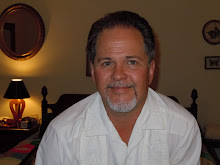

I invite all observant, inquisitive, positive people to post their views about the current state of affairs in the United States of America. This is a positive blog meant to enlighten the state of affairs in modern day America.
Blog Archive
- August (1)
- July (2)
- June (2)
- May (3)
- April (3)
- March (10)
- February (6)
- January (9)
- December (5)
- November (9)
- October (9)
- September (12)
- August (3)
- July (5)
- June (6)
- May (2)
- April (3)
- March (5)
- February (4)
- January (1)
- November (1)
- October (4)
- September (2)
- August (4)
- July (7)
- June (6)
- May (7)
- April (9)
- March (3)
- February (14)
- January (15)
- December (10)
- November (13)
- October (8)
- September (12)
- August (11)
- July (17)
- June (5)
- May (10)
- April (12)
- March (9)
- February (11)
- January (7)
- December (4)
- November (4)
- October (3)
- September (8)
- August (3)
- July (2)
- June (5)
- May (4)
- April (6)
- March (13)
- February (7)
- January (10)
- December (9)
- November (12)
- October (5)
- September (3)
- August (11)
- July (16)
- June (14)
- May (17)
- April (6)
- March (6)
- February (4)
- January (18)
- December (7)
- November (7)
- October (12)
- September (9)
- August (11)
- July (14)
- June (6)
- May (5)
- April (5)
- March (7)
- February (4)
- December (2)
- November (3)
- October (2)
- September (9)
- August (3)
- July (2)
- June (5)
- May (1)
- April (6)
- March (5)
- February (9)
- January (6)
- December (10)
- November (1)
- September (4)
- August (2)
- July (2)
- June (1)
- May (6)
- April (2)
- March (5)
- February (7)
- January (6)
- December (5)
- November (1)
- October (9)
- September (14)
- August (15)
- July (12)
- June (3)
- May (5)
- April (4)
- March (1)
- February (3)
- January (9)
- December (8)
- November (4)
- October (3)
- August (2)
- July (2)
- May (2)
- April (6)
- March (19)
- February (7)
- January (7)
- December (7)
- November (8)
- October (4)
- September (7)
- August (8)
- July (12)
- June (15)
- May (12)
- April (11)
- March (3)
- February (5)
- January (10)
- December (4)
- November (8)
- October (10)
- September (13)
- August (14)
- July (2)
- May (1)
- April (1)
- March (1)
- January (5)
- October (1)
- August (1)
- July (1)
- June (1)
- May (5)
- April (2)
- March (3)
- February (1)
- April (1)
- February (1)
- January (1)
- December (1)
- November (5)
- May (1)
- April (5)
- March (8)
- February (3)
- January (1)
- October (4)
- September (6)
- April (4)
- March (1)
- November (1)
- August (5)
- February (2)
- January (37)
- December (31)
- November (24)
- October (16)
- June (8)
- May (31)
- April (16)
- September (56)
- August (54)
- July (9)
- June (27)
- May (20)
- March (11)
- February (5)
- October (4)
- September (6)
- August (21)
- July (1)
- June (30)
- May (16)
- August (11)
- July (5)
Music Links
About Me
- Par3pio
- Dogtown, Ohio, United States
- Musician, Composer, Academician, Skateboarder, Writer, Poet
Counter